
When Fur Goes Missing: Alopecia in Cats, Dogs, and Rabbits
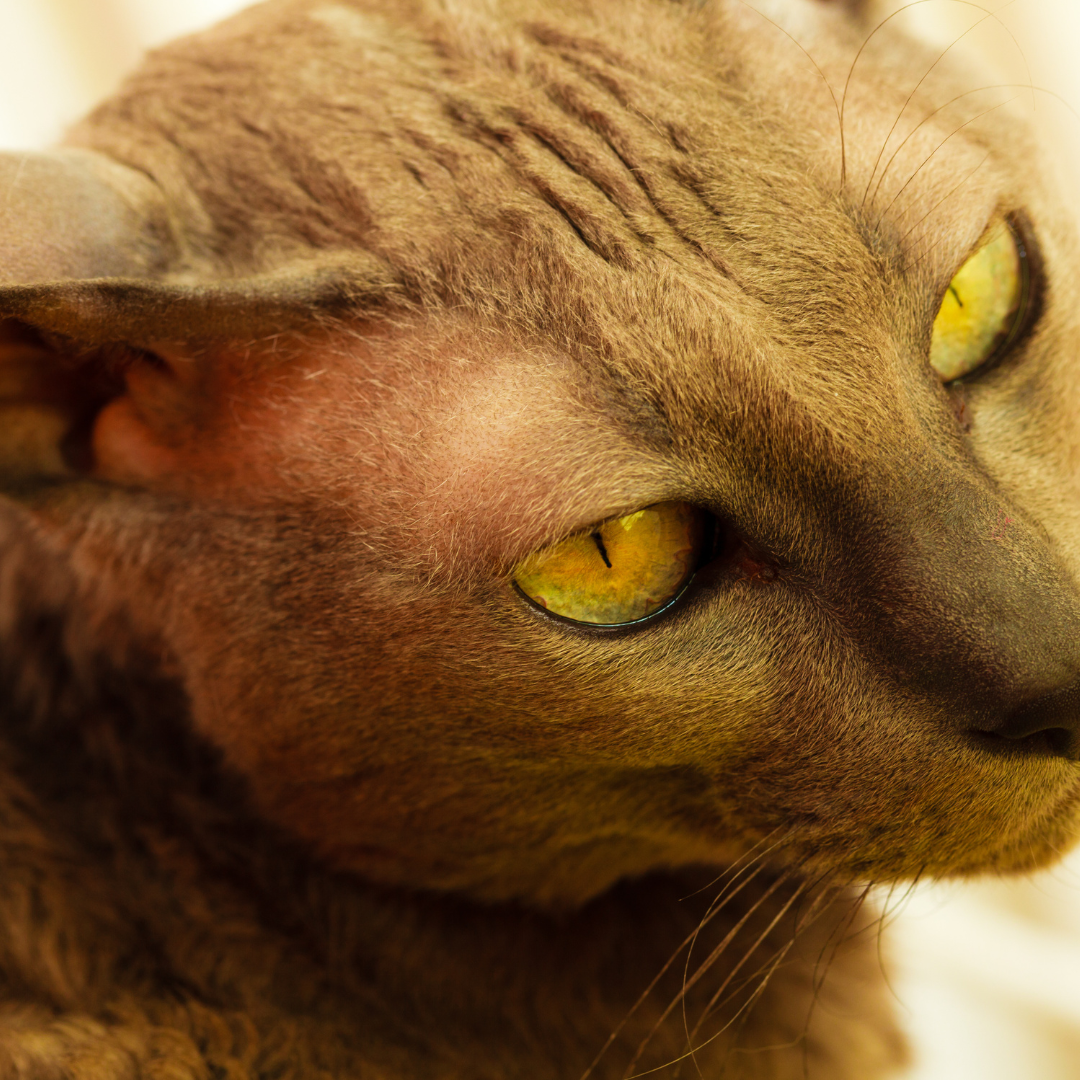
Hair loss in pets always looks more dramatic than it actually feels, at least at first. One day your cat has a perfectly normal coat and the next there is a suspicious bald patch that makes you question everything you have ever done as a pet owner. Alopecia is simply the medical term for hair loss, and in cats, dogs, and rabbits it can appear as smooth bald spots, uneven thinning, or areas that look like they were quietly overgroomed while no one was watching. Sometimes the skin underneath is red and angry, sometimes it looks completely normal, which somehow makes it more unsettling. The confusing part is that many pets with alopecia feel absolutely fine, are eating, playing, and acting innocent, which is why hair loss often gets brushed off until it starts spreading.
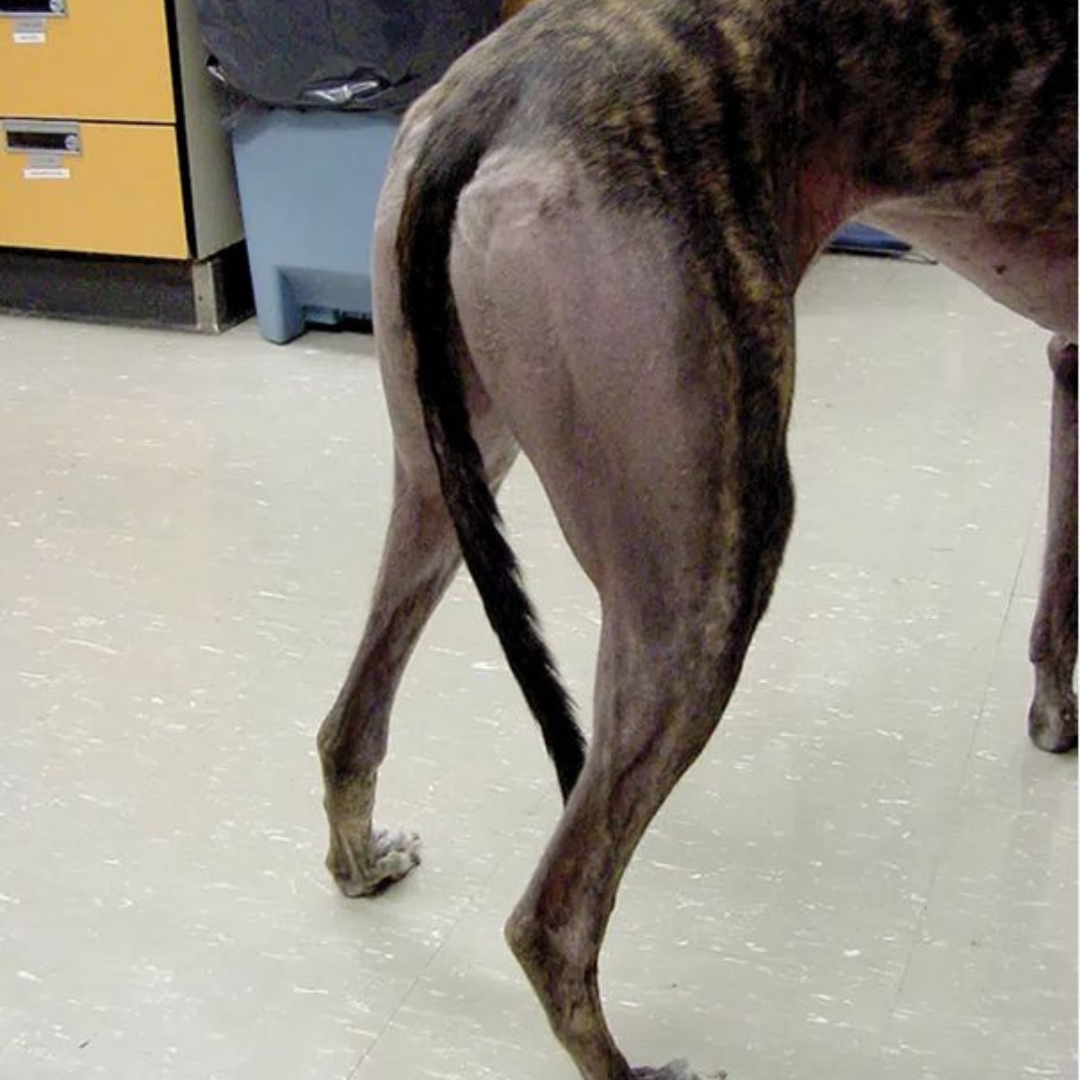
In cats and dogs, alopecia is rarely random and almost never just cosmetic. Allergies are one of the biggest players, whether environmental, food related, or flea related, and yes, fleas still count even when you cannot find a single one. One bite can be enough to trigger excessive licking and hair loss, especially in cats. Parasites and fungal infections can cause bald patches before intense itching even starts, which is why owners often swear there is no scratching involved. Hormonal imbalances tend to cause more symmetrical or progressive hair loss and may be the first visible sign of an internal issue long before blood tests are done. Stress also deserves real credit here, because anxious pets, particularly cats, are very capable of grooming themselves into baldness while pretending everything is completely fine. Diet plays a quieter but important role too, as nutritional deficiencies or food sensitivities often show up in the coat before anything else looks abnormal.
Rabbits deserve their own paragraph because they like to break all the rules. Patchy hair loss in rabbits is commonly linked to mites, but it can also be related to hormonal changes, unneutered status, pregnancy or false pregnancy, friction from surfaces, or even uneven molting that looks alarming but is technically normal. Unlike cats and dogs, rabbit skin is delicate, so hair loss can quickly lead to irritation or secondary skin issues if ignored. The upside is that rabbit fur usually regrows very well once the underlying cause is addressed, provided the skin itself is healthy. Alopecia in rabbits is less about itching and more about context, environment, and overall husbandry, which is why it should never be dismissed as “just shedding” without a proper look.
What makes alopecia important is not the hair itself, but what it can be quietly pointing toward. Hair loss can be the first visible clue of allergies, parasites, chronic stress, hormonal disease, or early skin infection, and waiting too long can allow secondary problems to develop even if the original trigger was mild. Sometimes alopecia resolves once the cause is treated, sometimes it improves slowly, and sometimes it needs a bit of patience and follow up. The good news is that in most cases, hair grows back, dignity is restored, and everyone forgets the awkward bald phase. The real takeaway is simple: alopecia is not a diagnosis, it is a symptom, and when you listen to it early, it usually tells you exactly what you need to know.
Written by: Dr. Razan Hassan El Moussawi – Veterinarian
CONTACT US TO BOOK AN APPOINTMENT
Email frontdesk@abvc.ae
Call 04-3408601
WhatsApp 050-3440987


