
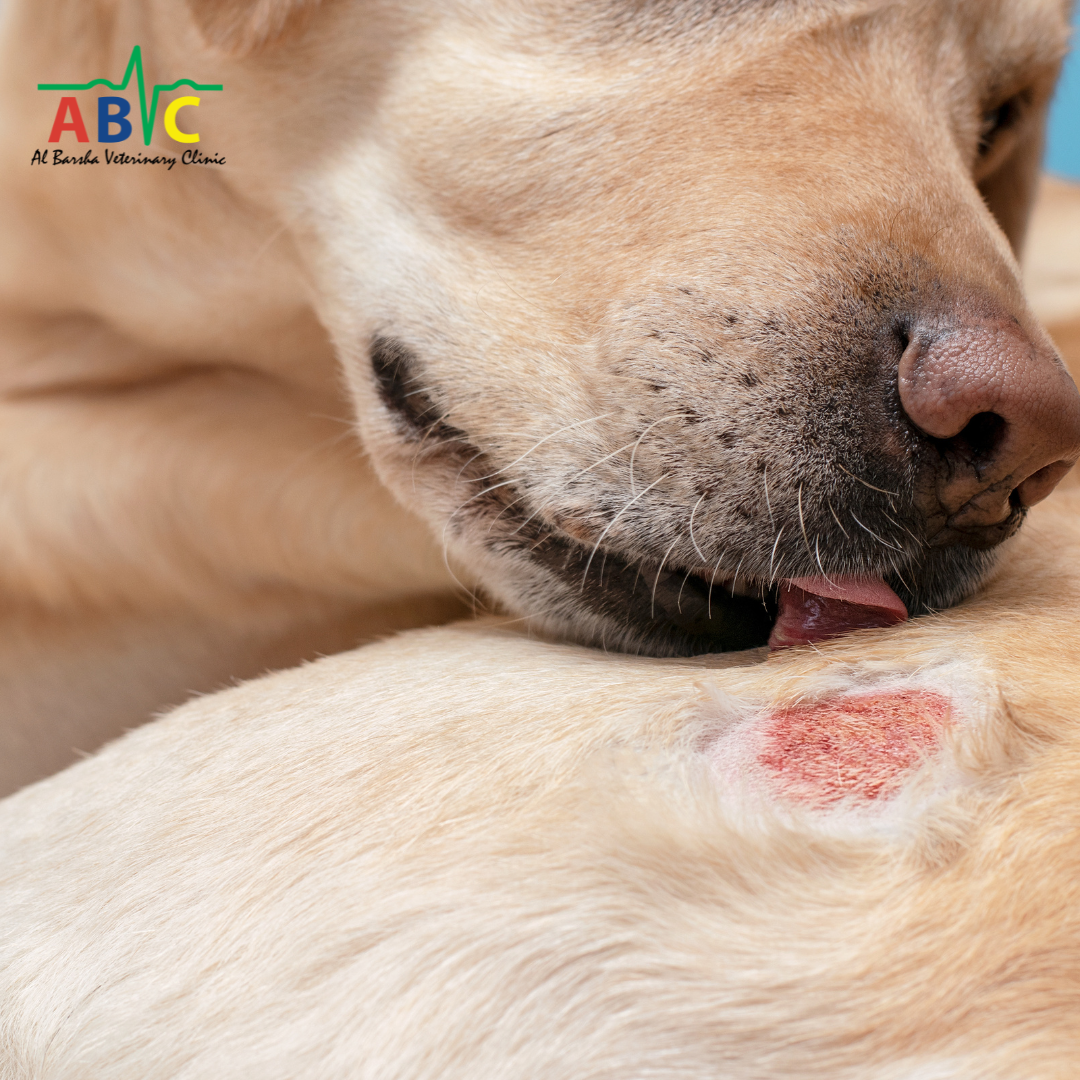
Skin Allergies in Dogs and Cats in the UAE
Skin allergies are one of the most common conditions affecting dogs and cats in the United Arab Emirates. Many pets present with signs such as persistent itching, licking, chewing, ear infections, or hair loss. While these symptoms may seem minor at first, untreated allergies can quickly progress into chronic discomfort, skin infections, and reduced quality of life. Understanding the causes, proper diagnosis, and available treatments is essential to managing these conditions effectively.
Why Are Allergies So Common in the UAE?
The environmental conditions in the UAE play a significant role in the development and persistence of skin allergies in pets.
Dust Mites and Fine Particles The region’s high levels of dust and sand mean that pets are constantly exposed to microscopic particles that can trigger allergic reactions. These allergens are present both outdoors and indoors.
Humidity Despite the desert climate, indoor environments often have high humidity due to air conditioning systems. This creates ideal conditions for the growth of yeast and fungi, which commonly affect the skin and ears.
Environmental Chemicals Household cleaning products, air fresheners, and certain grooming products can irritate the skin or disrupt the natural skin barrier, making pets more susceptible to allergic reactions.
Warm Climate Year-Round Unlike colder regions where allergens may decrease seasonally, the UAE’s consistently warm climate allows allergens to persist throughout the year. This leads to chronic, rather than seasonal, allergy cases.
Pet Daycare and Social Exposure While daycare and social environments benefit pets behaviorally, they also increase exposure to allergens, parasites, and infectious agents, which can complicate skin conditions.
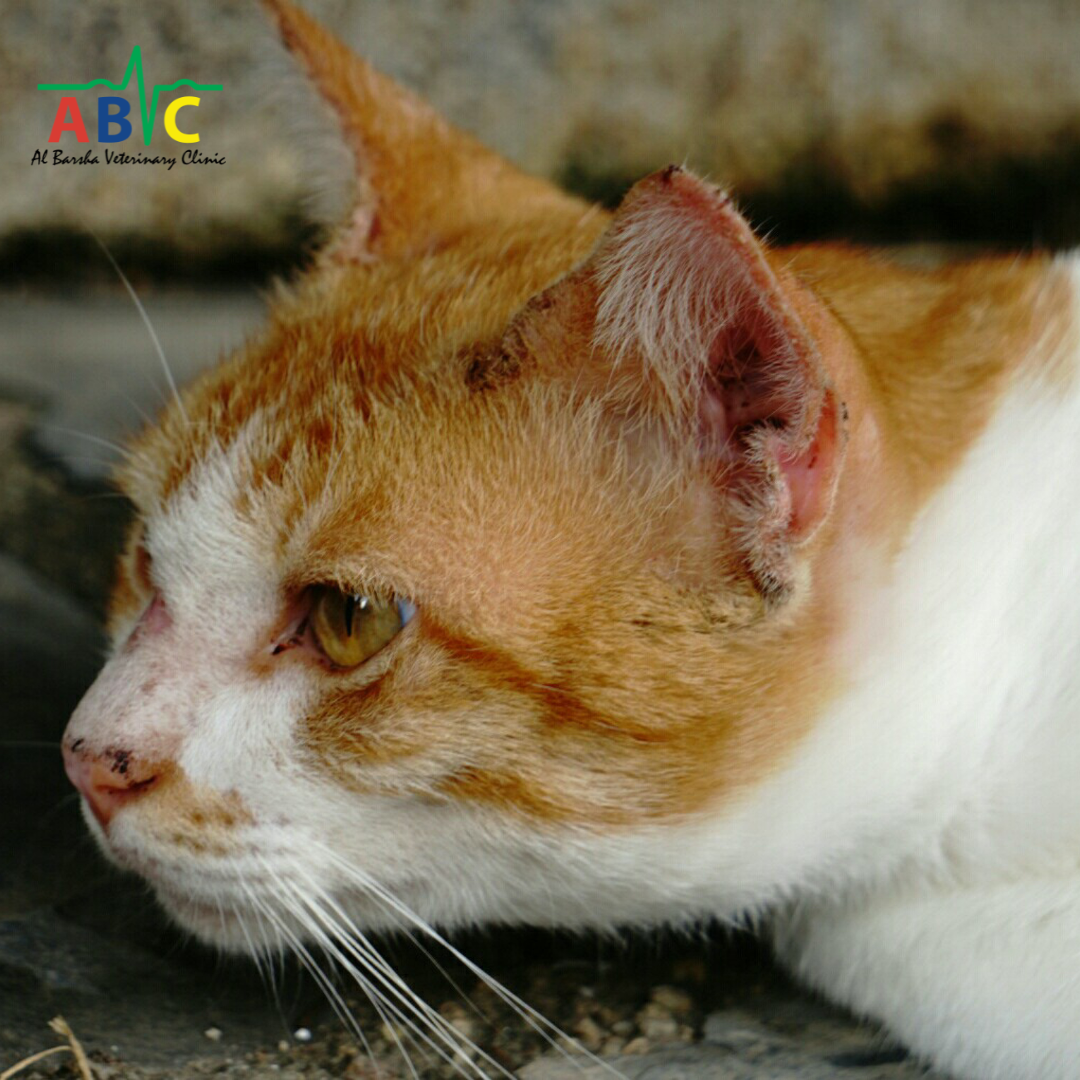
Clinical Signs of Skin Allergies
Common signs that may indicate an allergic condition include:
- Persistent scratching or itching
- Licking or chewing of paws
- Red, inflamed, or thickened skin
- Recurrent ear infections
- Hair loss or overgrooming (especially in cats) • Skin odor or discharge These signs often worsen over time if left untreated.
The Importance of Veterinary Diagnosis Not all itching is caused by allergies. Accurate diagnosis is essential to ensure appropriate treatment and to avoid unnecessary or ineffective medications. A thorough veterinary work-up may include:
- Skin cytology to identify bacterial or yeast infections
- Parasite control trials to rule out fleas and mites
- Elimination diets to assess for food allergies
- Allergy testing (blood tests or intradermal testing) to identify environmental triggers These diagnostic steps help determine the underlying cause and allow for a targeted, individualized treatment plan.
Treatment Options
Managing skin allergies typically requires a multimodal approach. Treatment is tailored to the individual pet and may include the following:
Topical Therapy Topical treatments are essential for managing skin health and controlling flare-ups. • Medicated shampoos with antibacterial or antifungal properties
- Conditioners and sprays to restore and protect the skin barrier
- Regular bathing protocols to reduce allergen load
Oral Medications Systemic treatments may be required, particularly in moderate to severe cases. • Anti-itch and anti-inflammatory medications
- Antibiotics for bacterial infections
- Antifungal medications for yeast overgrowth These treatments are often used in combination and adjusted based on response.
Advanced Injectable Therapies Recent advances in veterinary medicine have introduced targeted therapies that improve safety and effectiveness.
One example is Cytopoint, an injectable treatment that works by specifically targeting the biological pathways responsible for itch. It provides relief for several weeks and has been shown to have minimal systemic side effects compared to traditional medications.
This option is particularly beneficial for pets requiring long-term management
Long-Term Management Skin allergies are typically chronic conditions. While they cannot usually be cured, they can be effectively managed. The main goals of treatment are:
- Reducing the frequency and severity of flare-ups
- Controlling secondary infections
- Improving overall comfort and quality of life
- Minimizing reliance on medications where possible
Consistency in treatment and regular veterinary follow-up are key to achieving good outcomes.
Conclusion Skin allergies are a common and often frustrating condition for both pets and their owners in the UAE. However, with proper diagnosis and a structured treatment plan, most pets can achieve significant improvement and live comfortable, healthy lives.
Early intervention is essential. Addressing symptoms promptly not only reduces suffering but also prevents complications and long-term skin damage.
If your pet shows signs of itching or skin irritation, a veterinary consultation is strongly recommended to begin appropriate evaluation and care.
Written by: Dr. David Arnau Perez
CONTACT US TO BOOK AN APPOINTMENT
Email frontdesk@abvc.ae
Call 04-3408601
WhatsApp 050-3440987