
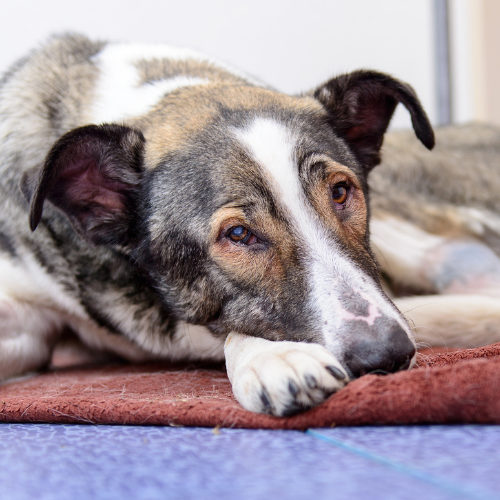
Managing Diabetes and Kidney Disease in Pets: A Complete Guide for Cats, Dogs, and Rabbits
Chronic kidney disease (CKD) and diabetes mellitus are two of the most common metabolic disorders affecting pets, especially aging cats and dogs, and occasionally rabbits. When these conditions occur together, they create a complex clinical challenge that requires careful balance between hydration, nutrition, and glucose control.
Understanding the Connection Between Kidneys and Diabetes
The kidneys filter toxins and maintain electrolyte and water balance. In diabetic animals, persistently high blood glucose can damage the delicate renal tubules, accelerating kidney disease. Conversely, pets with pre-existing kidney disease have altered metabolism that can affect insulin clearance and glucose regulation, sometimes worsening diabetic control.
The renal threshold, the blood glucose level above which glucose spills into the urine, is approximately 14–16 mmol/L (250–290 mg/dL) in cats, 10–12 mmol/L (180–220 mg/dL) in dogs, and 13–15 mmol/L in rabbits. Beyond this point, glucosuria leads to dehydration, increased thirst, and greater kidney workload. Keeping blood glucose below this threshold is a key goal in treatment.
Managing Diabetic Cats with Kidney Disease
For cats suffering from both diabetes and kidney disease, treatment focuses on stabilizing glucose while protecting renal function. Insulin therapy remains essential, but doses may need adjustment because cats with CKD are often more sensitive to insulin. Fluids are frequently used to maintain hydration and support filtration. Diet plays a critical role, renal prescription diets formulated with reduced phosphorus, moderate high-quality protein, and controlled sodium help slow progression.
Wet food is generally superior to dry food for kidney and diabetic cats alike. Canned diets contain higher moisture, promoting hydration and easier digestion. Cats with CKD should avoid high-phosphorus foods, excessive protein from poor sources (like red meat byproducts), and treats high in carbohydrates or salt. Instead, gently cooked lean chicken, renal-support formulas, or therapeutic veterinary diets are best.
Some nutrients may aid kidney recovery, including omega-3 fatty acids (anti-inflammatory), B-complex vitamins, antioxidants such as vitamin E, and controlled potassium levels. However, “repair” is often a misnomer, renal tissue rarely regenerates, but supportive nutrition and fluids can slow damage dramatically.
With good management, a cat with both diabetes and kidney disease can live two to four years or even longer, depending on early detection, owner compliance, and stability of blood glucose and creatinine levels.
Diabetes and Kidney Disease in Dogs
Dogs, like cats, can develop diabetic nephropathy—renal changes secondary to long-term hyperglycemia. Treatment centers on strict insulin regulation, consistent feeding schedules, and diets that moderate protein while maintaining palatability and energy. Prescription renal diets or diabetic-specific formulas that use high-quality protein sources (like egg or fish), omega-3s, and antioxidants are ideal.
Avoid feeding table scraps, high-fat treats, or raw diets high in phosphorus. Dogs with kidney disease benefit from moist diets or added water to meals. Regular bloodwork and urine tests are essential to monitor urea, creatinine, and urine protein levels.
With consistent care, many diabetic dogs with mild to moderate kidney disease live two to five years in good quality of life.
Diabetes and Kidney Care in Rabbits
Although less common, diabetes in rabbits can occur due to obesity, stress, or genetic predisposition. Signs include increased thirst, urination, and weight loss. Kidney disease in rabbits often stems from dehydration, calcium imbalance, or chronic infection. Because rabbits are herbivores with unique calcium metabolism, dietary control differs from carnivores.
Rabbits with kidney issues should eat low-calcium greens (such as romaine, cilantro, or bell pepper) and avoid high-calcium foods like alfalfa hay, spinach, and kale. For diabetic or overweight rabbits, limit high-sugar fruits and pellets. Hydration is crucial, wet leafy greens and frequent water changes encourage intake.
When renal compromise and metabolic imbalance coexist, supportive care includes subcutaneous fluids, a balanced hay-based diet, and gentle exercise. Early diagnosis and consistent monitoring can allow rabbits to live comfortably for several years.
Holistic and Supportive Care
Across species, kidney support involves maintaining hydration, reducing dietary phosphorus, balancing electrolytes, and avoiding nephrotoxic drugs (like NSAIDs unless absolutely necessary). Diabetic stability depends on predictable feeding and insulin routines, moderate activity, and regular veterinary checks for glucose curves and renal panels.
Owners play a key role: measuring water intake, monitoring appetite and weight, and recognizing subtle signs of decline such as increased thirst, lethargy, or poor coat condition. Preventive care, annual bloodwork, urine analysis, and early intervention, significantly improves survival.
Final Thoughts
Managing diabetes with concurrent kidney disease in cats, dogs, and rabbits requires precision, patience, and partnership between veterinarian and owner. While neither condition is curable, many pets live fulfilling, happy lives with proper nutrition, hydration, insulin regulation, and regular follow-ups. Early detection, individualized diet, and gentle daily observation are the pillars of long-term success.
Written by: Dr. Razan Hassan El Moussawi – Veterinarian
CONTACT US TO BOOK AN APPOINTMENT
Email frontdesk@abvc.ae
Call 04-3408601
WhatsApp 050-3440987