
Brachycephalic Obstructive Airway Syndrome (BOAS)
BOAS in Dogs: When Cute Faces Make Breathing Hard Work
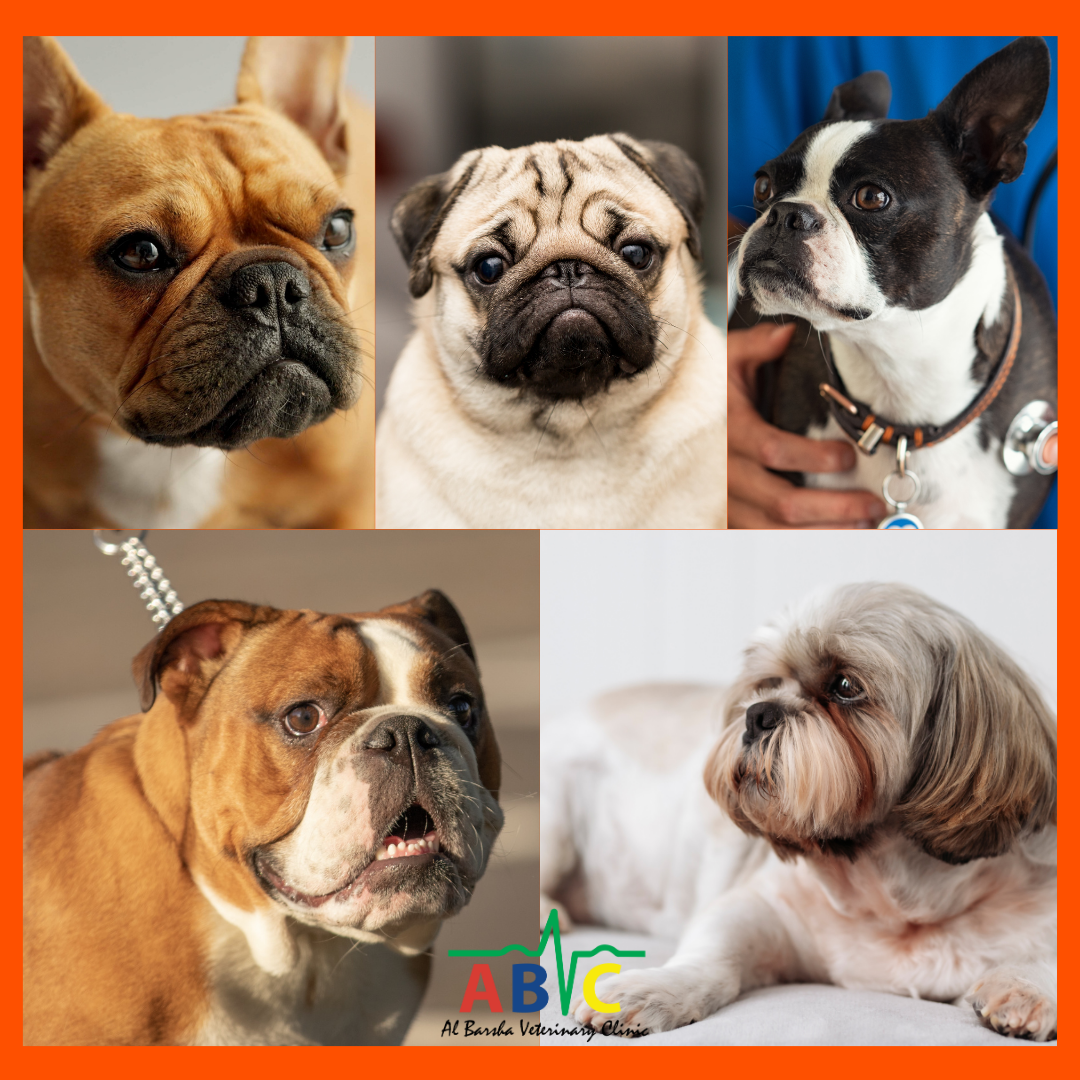
Brachycephalic Obstructive Airway Syndrome (BOAS) affects dogs with short, flat noses like French Bulldogs, Pugs, English Bulldogs, Boston Terriers, and Shih Tzus. Their compact skulls give them the adorable “squashed” look people love, but that same anatomy compresses their airways and makes breathing a constant effort.
What’s Actually Happening Inside
BOAS isn’t a single defect, but a syndrome a group of abnormalities that together block airflow:
• Stenotic nares: narrow nostrils that limit air intake.
• Elongated and thick soft palate: tissue that extends into the airway.
• Everted laryngeal saccules: small sacs pulled into the throat by strong inhalation.
• Tonsillar enlargement, macroglossia (big tongue) and even laryngeal collapse in advanced cases.
• In some dogs, the trachea itself is too narrow (hypoplastic trachea), making things worse.
Up to 75% of airway resistance in brachycephalic dogs comes from the nose and nasal cavities meaning that simply widening the nostrils can make a remarkable difference in breathing.
Typical Clinical Signs
Many owners think their dog’s snoring or noisy breathing is “normal for the breed.” It isn’t. Here’s what to watch for:Loud breathing, snorting, or snoring (stertor)
• Struggling to exercise or rest comfortably
• Panting excessively in mild heat
• Fainting or collapsing during play or stress
• Cyanosis (bluish gums or tongue) in severe cases
The average age when signs appear is 3–4 years, but in severe cases, they can start as early as a few months.

Anesthesia and Recovery
Because BOAS dogs are high-risk under anesthesia, oxygen therapy, cooling, and careful airway management are essential. After surgery, swelling or regurgitation can occur, so intensive monitoring is critical. The good news? Mortality rates are low (around 5–6%), and most patients breathe dramatically better after recovery.
Prognosis and Long-Term Outlook
Dogs treated early for narrowed nostrils and elongated palates breathe and exercise more comfortably and are far less likely to develop severe airway collapse.
However, tracheal hypoplasia or advanced laryngeal collapse can worsen the long-term prognosis.
A Final Word for Owners
If your dog snores like a chainsaw, tires easily, or gasps in heat, that’s not personality it’s pathology. BOAS surgery isn’t cosmetic; it’s lifesaving and can give your dog back the ability to run, play, and rest without struggling for air. Your dog’s face may be flat, but their lungs still need space.


